The MemBioMed Joint Master in the Biology of Biomembrane welcomes its second cohort in Nice
- Student life
- International
- Education
on the September 11, 2026
Campus Valrose
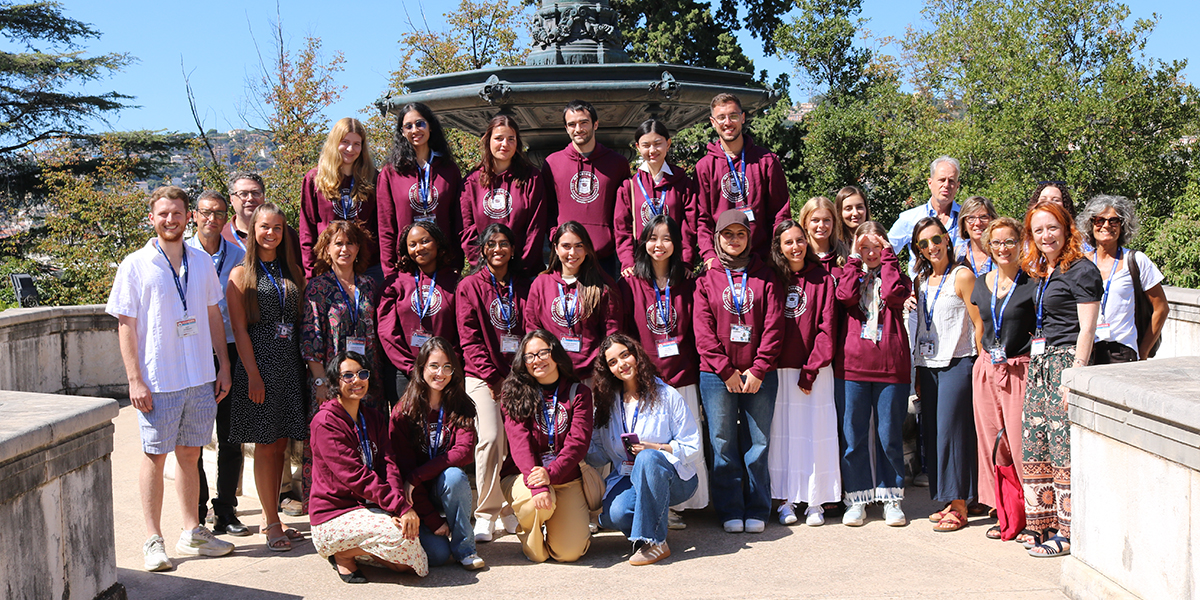
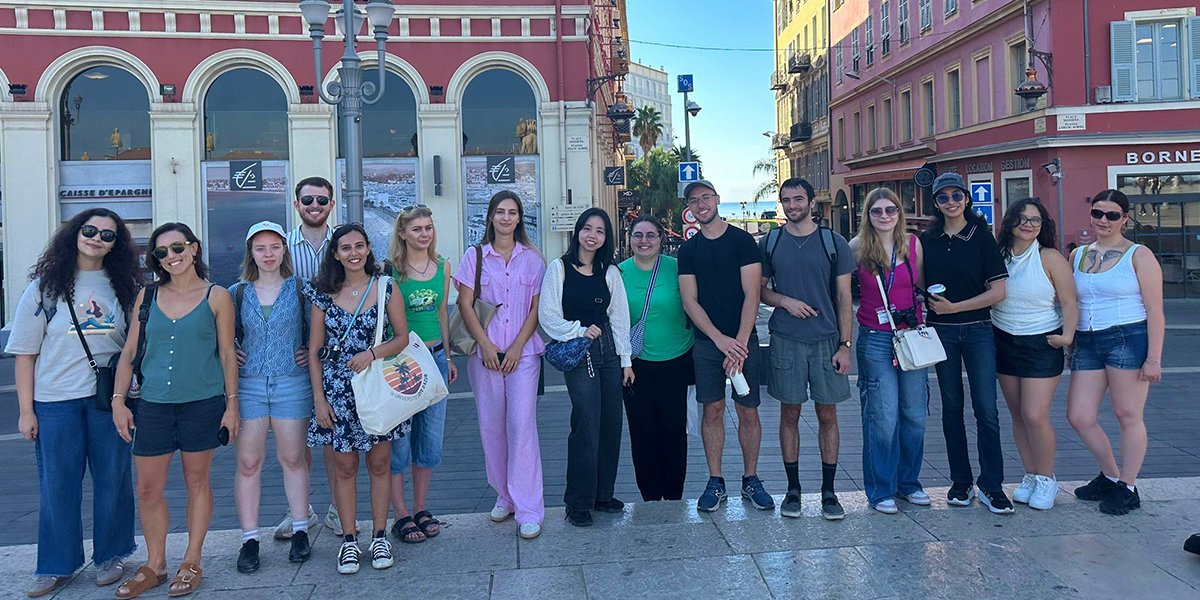
From 1 to 4 September, Université Côte d’Azur welcomed the second cohort of the MemBioMed Erasmus Mundus Joint Master (EMJM) for a four-day Welcome Week in Nice, together with its European partners.
A unique two-year international programme, MemBioMed brings together the expertise of three leading European universities to train a new generation of scientists, entrepreneurs and future leaders in the rapidly evolving field of biomembranes. Combining cutting-edge scientific training, international mobility and a highly collaborative learning environment, the programme prepares students to address emerging challenges in biomedical research and innovation.
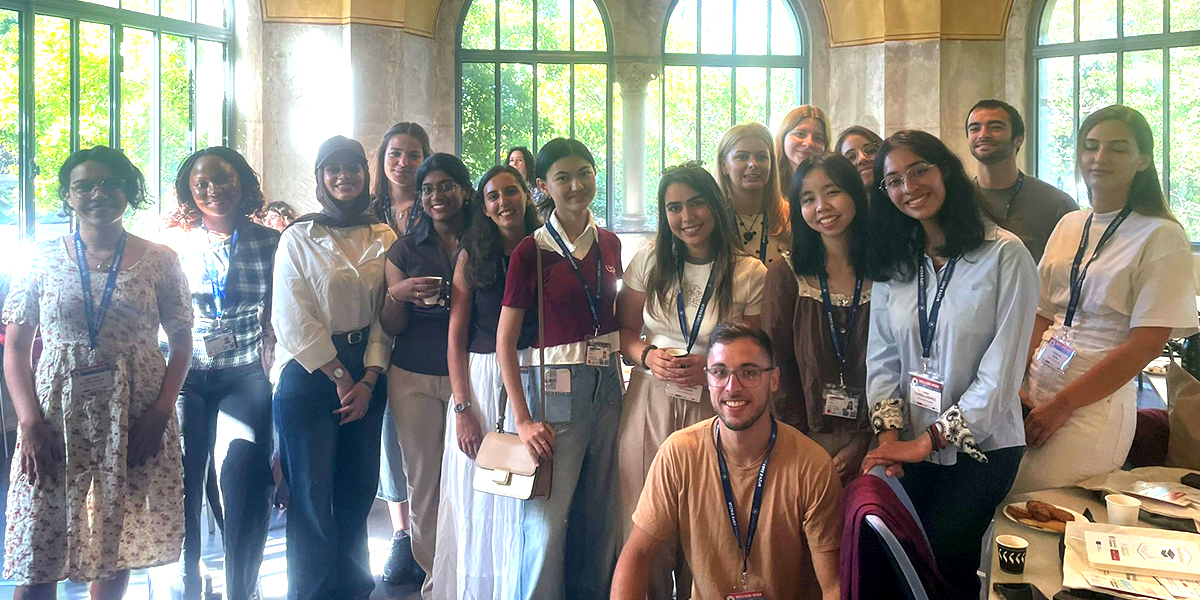
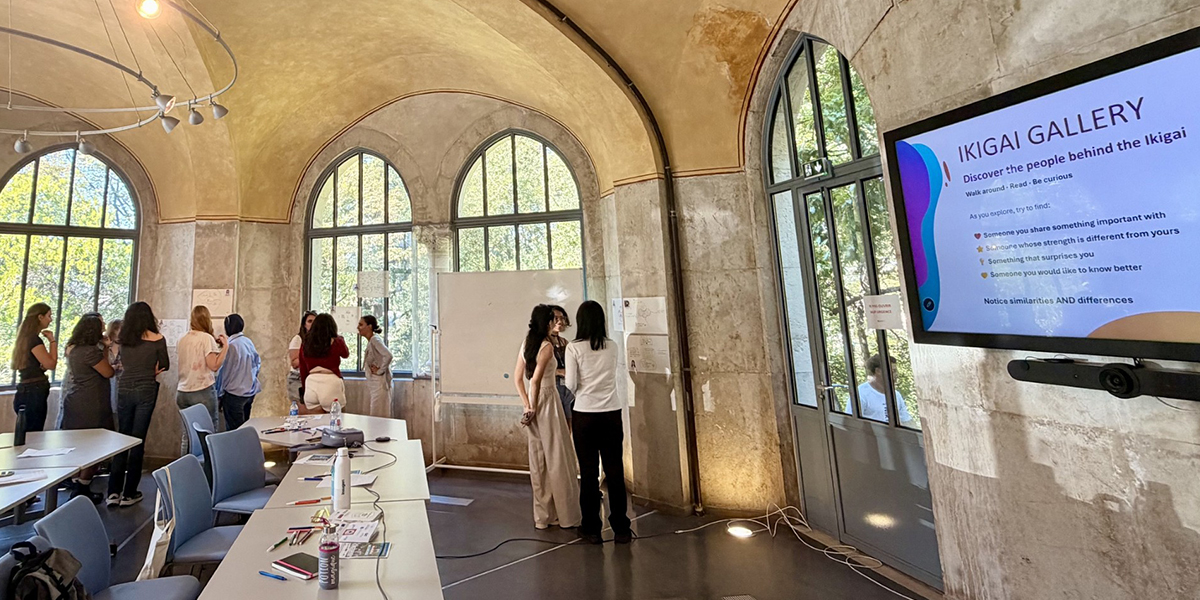
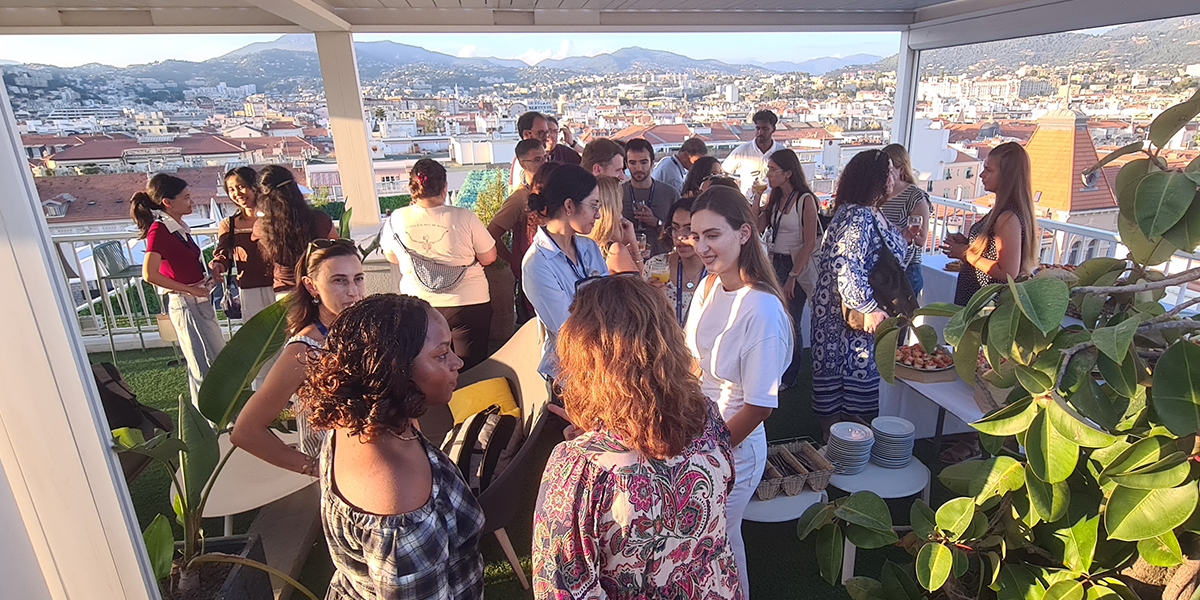
19 students, 18 countries, one MemBioMed community
The new 2026–2028 cohort brings together 19 talented students from 18 different countries, creating a truly international community from the very beginning of their journey.
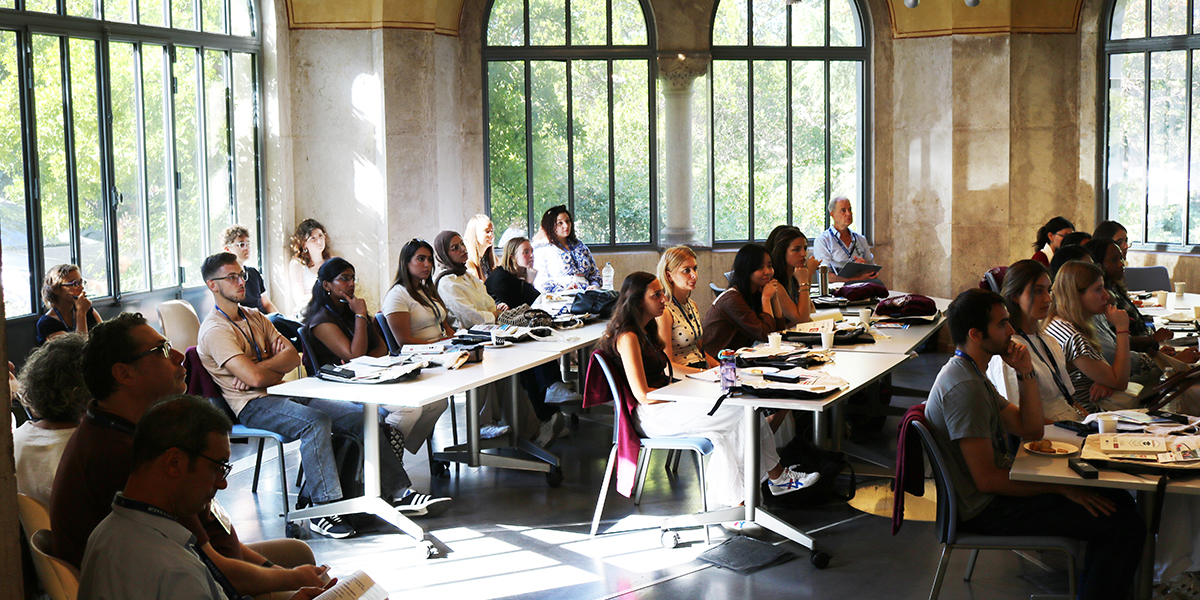
Welcome Week gave the students their first opportunity to discover the programme, meet their classmates and connect with the wider MemBioMed community. Coordinators from the three partner universities, together with students from the first cohort, joined them throughout the week to share their experiences and help them prepare for the two years ahead.
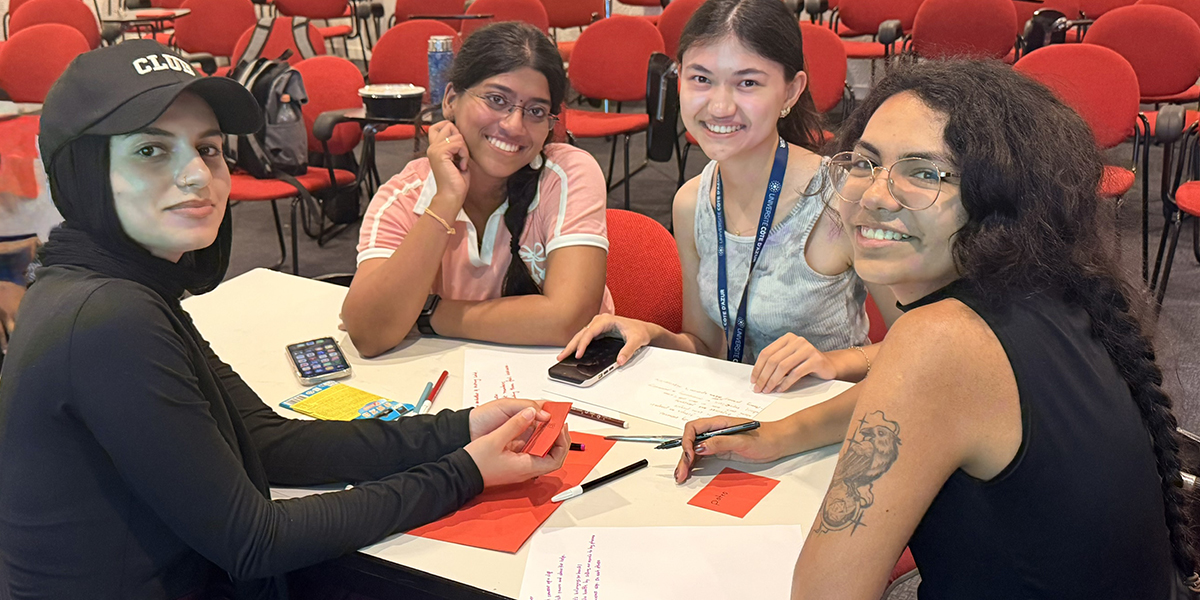
Over four days, the students combined academic, scientific and social activities. Introductory sessions presented the curriculum, teaching teams and mobility pathway, while integration and team-building workshops encouraged interaction and collaboration within the new cohort.
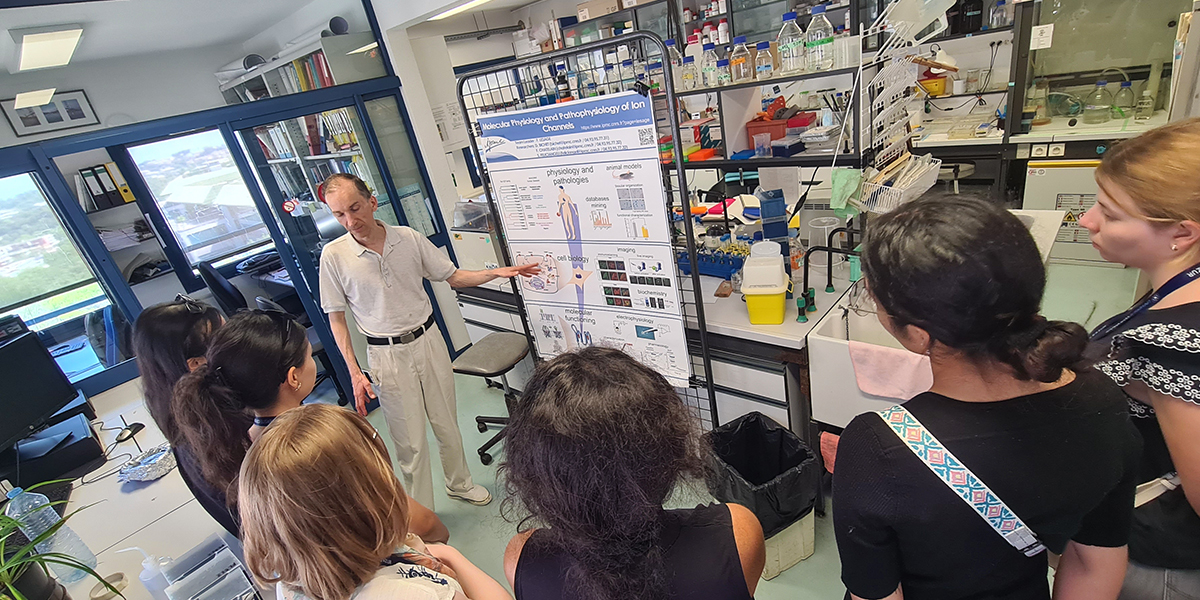
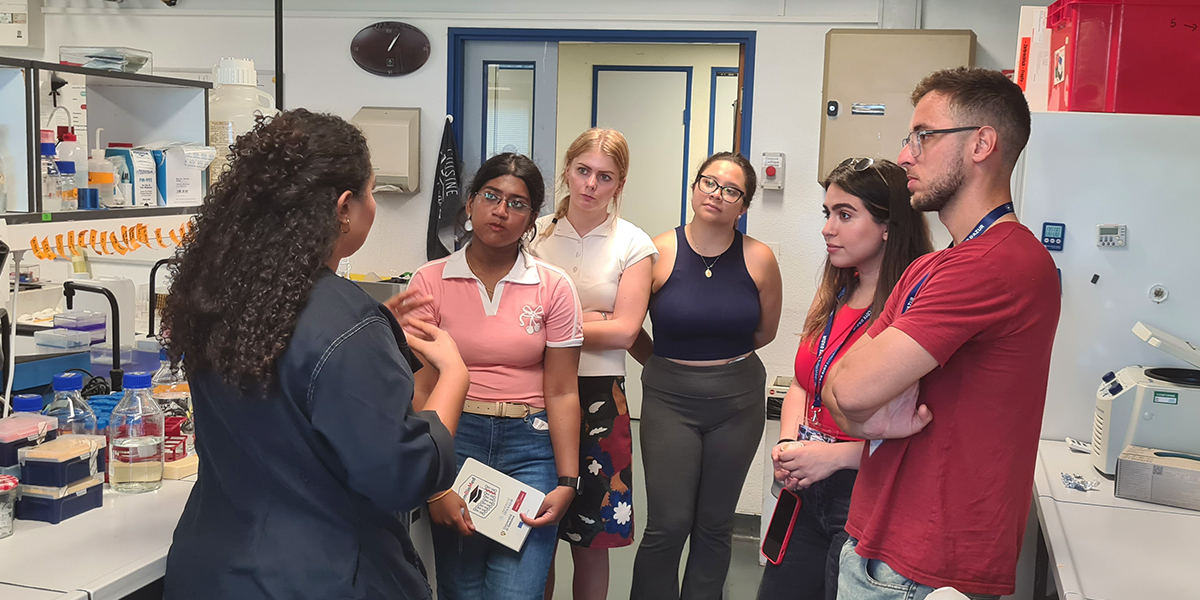
The students also visited the Institute of Molecular and Cellular Pharmacology (IPMC) in Sophia Antipolis, where they discovered the laboratories and met researchers working in different areas of membrane biology. The visit offered them a first glimpse of the scientific environment in which they will study and potentially carry out research projects.
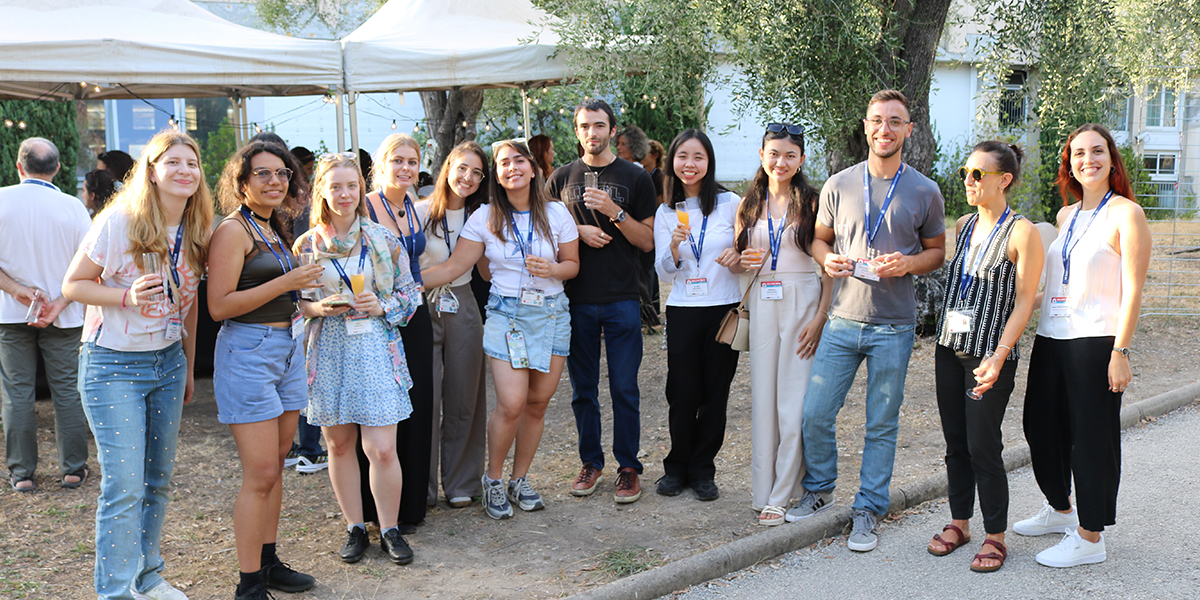
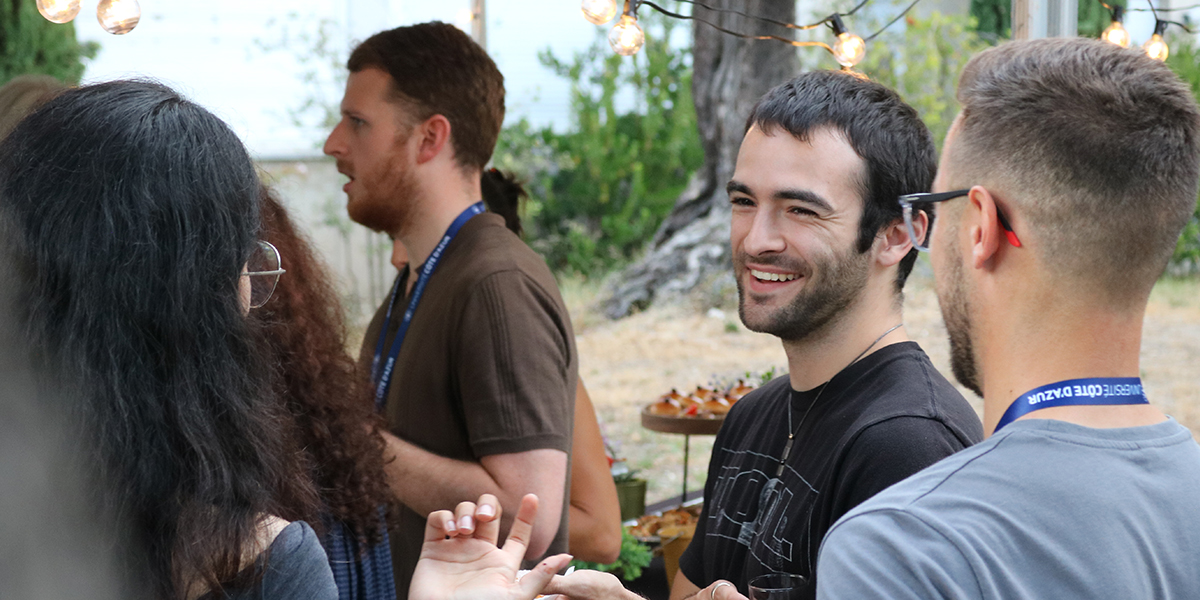
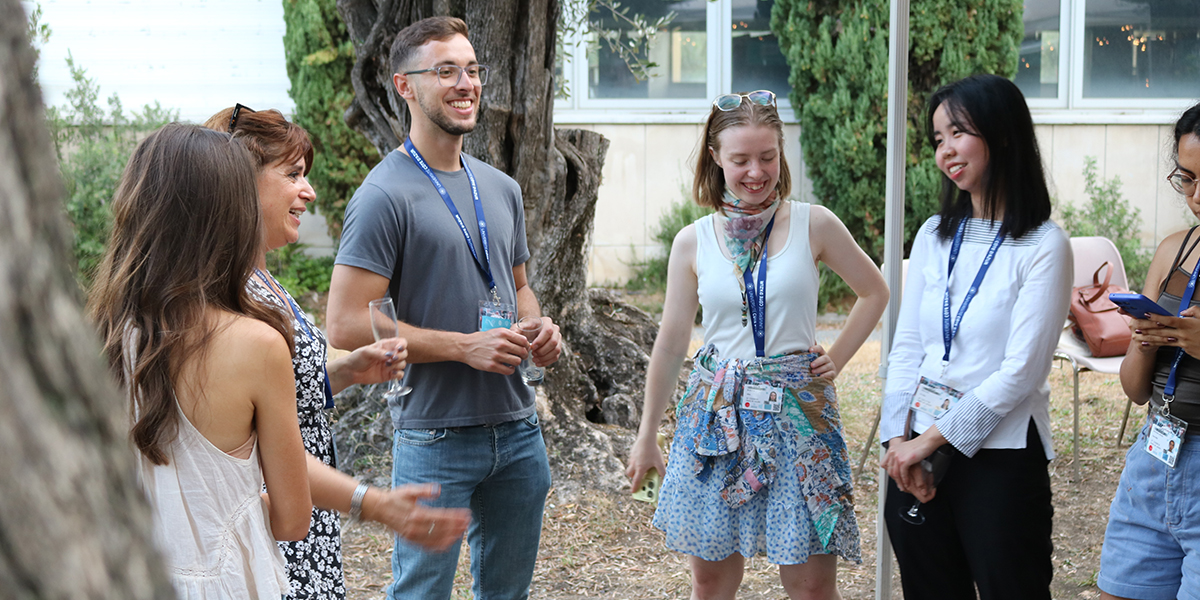
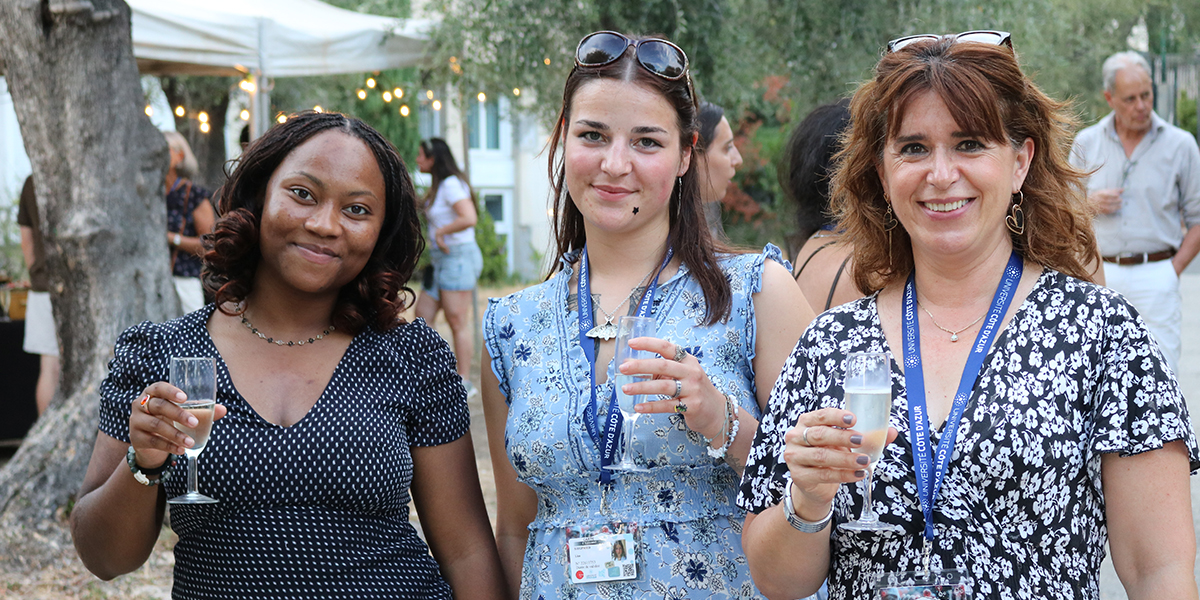
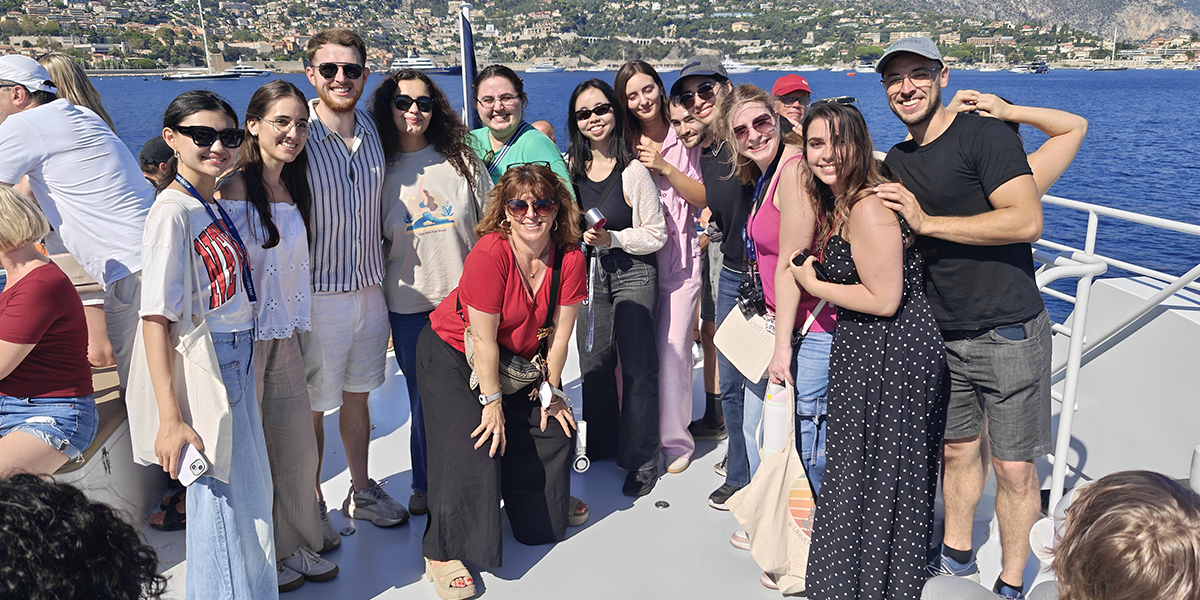
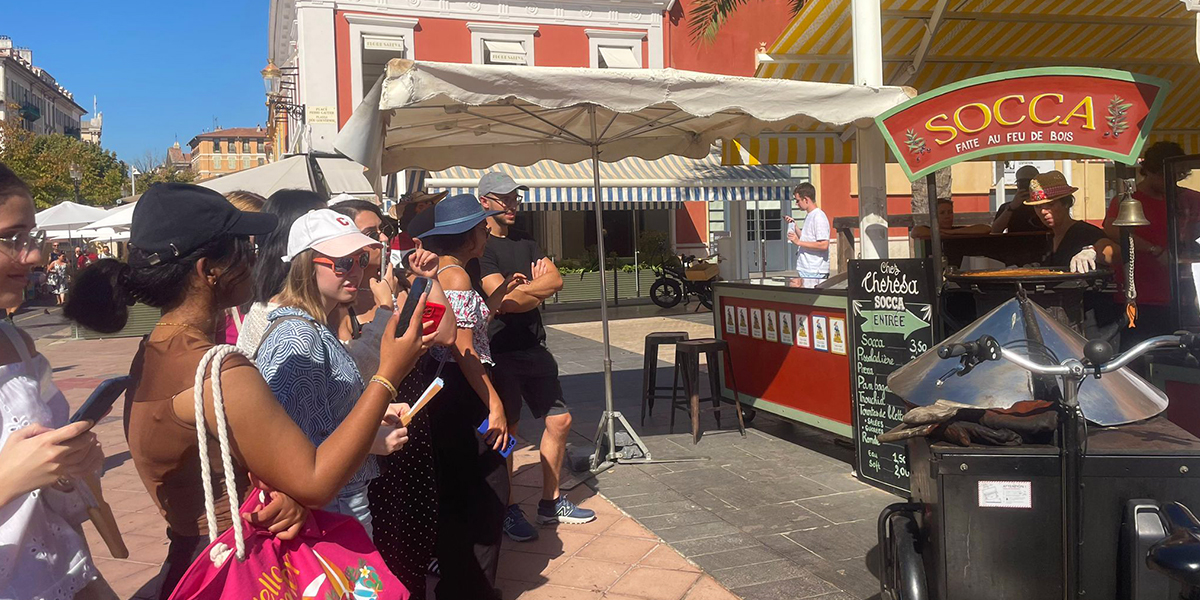
Welcome Week was also an opportunity to discover Nice and the Côte d’Azur through a series of informal activities, including rooftop drinks, a garden party on the Valrose campus, a guided tour of Nice and a boat trip across the Baie des Anges.
Beyond their social dimension, these activities are an important part of the MemBioMed experience. They allow students from very different academic and cultural backgrounds to get to know one another, exchange perspectives and begin building the international network that will accompany them throughout the programme and beyond.
Starting a journey together
For Delphine Bichet, researcher at IPMC/Université Côte d’Azur and coordinator of the MemBioMed project, Welcome Week represents an important first milestone:
“For MemBioMed students, Welcome Week is much more than the start of the academic year. Coming from all over the world, they discover a new university, a new country and, most importantly, each other. These first days are essential for creating connections, building confidence and developing a real sense of belonging. It is the first step in a two-year journey that will take them across three European countries, both scientifically and personally.”
As the second cohort begins its journey across Europe, Welcome Week therefore marks much more than the beginning of a new academic year. It is the first chapter of a shared experience built around scientific excellence, international collaboration and a strong sense of community.
A 2 year innovative programme
Biomembranes are at the heart of cellular physiology. They organize communication between cells and their environment and host a wide range of proteins involved in signalling, transport and cellular homeostasis. Membrane proteins are therefore major therapeutic targets and play a central role in the development of new strategies to treat human diseases.
MemBioMed was created to train young scientists in this rapidly developing field by combining fundamental knowledge with emerging technologies and practical research experience.
The curriculum integrates the latest advances in membrane biology with interdisciplinary scientific training. Students participate in research projects, hands-on internships, workshops and thematic schools, while also developing transferable skills in areas such as entrepreneurship, communication, innovation and networking. Interactions with academic laboratories and industry provide further opportunities to explore different career paths and understand how fundamental discoveries can be translated into biomedical applications.
By combining scientific excellence with mobility and international collaboration, MemBioMed aims to equip its graduates with the expertise and broader skills required to pursue careers in academic research, biotechnology, the pharmaceutical sector and scientific innovation.
Nice: the first step in a European journey
International mobility is at the core of the MemBioMed experience. During the first three semesters, the entire cohort moves successively between the programme's three partner universities: Université Côte d’Azur, the University of Genoa and Osnabrück University.
At each university, MemBioMed students join selected courses from local Master's programmes while also following modules specifically designed for MemBioMed. These complementary courses broaden their training beyond membrane biology, covering areas such as advanced imaging, entrepreneurship, transferable skills and European culture.
The fourth semester is devoted to the Master's thesis, allowing students to apply the knowledge and skills acquired during their European journey to an intensive research project.
Nice is therefore only the first stop in an ambitious two-year experience. After completing their first semester at Université Côte d’Azur, the students will continue their studies in Genoa and Osnabrück, discovering new scientific environments, teaching approaches and cultures along the way.
Université Côte d’Azur and the entire MemBioMed consortium are delighted to welcome this new generation of students. Their diverse backgrounds, perspectives and ambitions are at the heart of what makes the programme unique.
As they embark on their two-year journey across Europe, we look forward to seeing the connections they will build, the ideas they will share and the scientific challenges they will tackle together.